Quality Guaranteed
Premium Materials, Every Single Bag

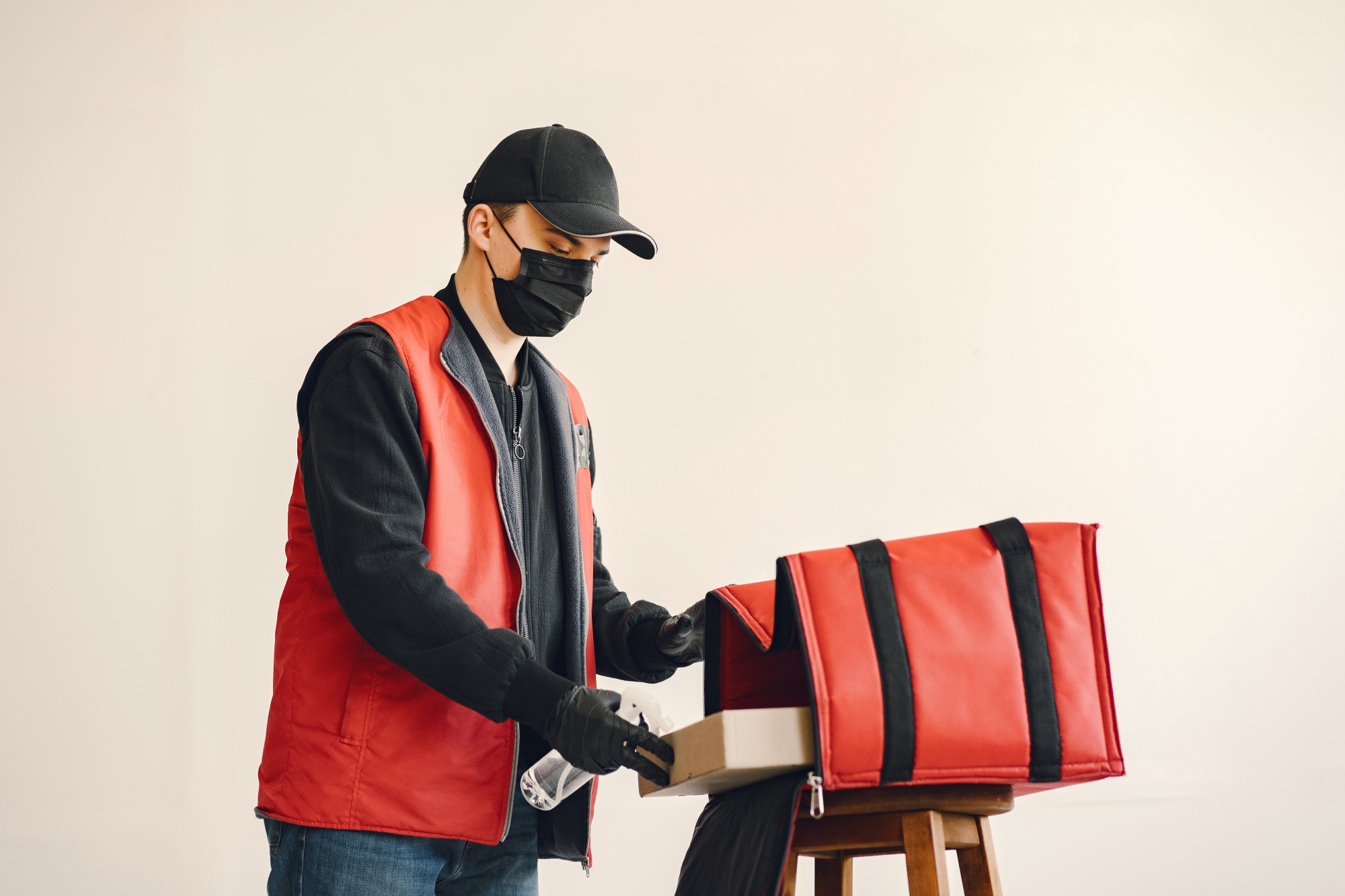
The Australian food delivery market is booming. Whether your customers are ordering a Friday night pizza, corporate catering, or fine dining at home, their expectation remains exactly the same: the food should taste just as good at their dining table as it does fresh out of your kitchen.
But there is a silent profit-killer in the food delivery industry. It’s not the traffic, and it’s not the preparation time. It is the dreaded 1-star review caused by cold, soggy food.
If you are relying on thin, consumer-grade delivery bags, you are gambling with your restaurant’s reputation on every single order. Here is the science behind why proper thermal insulation is the most critical investment for your delivery operations.
That is why investing in high-quality commercial food delivery bags is no longer an option—it is a necessity for serious hospitality businesses.
Food quality degrades rapidly the moment it leaves the pass. In Australia, food safety standards require hot food to be kept at or above 60°C to prevent the rapid growth of bacteria (the temperature "Danger Zone").
Standard grocery cooler bags or cheap promotional delivery bags simply do not have the thermal mass to maintain these temperatures over a 20-to-30-minute delivery route. Top-tier commercial food delivery bags act as mobile ovens, locking in the ambient heat of the food to ensure it arrives safe, steaming, and compliant with health regulations.
So, what separates a professional bag from a cheap knock-off? It comes down to three specific layers of engineering:
A hot meal loses heat quickly if the bag is exposed to cold winds or rain. Premium bags use heavy-duty, commercial-grade nylon or PVC-coated polyester. This exterior acts as an impenetrable windbreak and moisture barrier, ensuring the internal temperature is completely isolated from the outside elements.
This is the engine room of the bag. Cheap bags use a millimeter of thin foil that reflects a tiny bit of heat but ultimately lets the cold seep in. The most reliable commercial food delivery bags utilize dense, closed-cell EVA foam insulation to create a robust barrier that prevents heat transfer. This thick foam creates a robust barrier that prevents heat transfer, keeping meals piping hot for extended periods.
Have you ever opened a delivery bag to find hot chips that have turned into a soggy, wet mess? That is condensation. When hot food is sealed in an unbreathable environment, steam turns into water droplets that rain back down onto the food. High-quality bags feature specialized interior linings that are easy to wipe down and sanitize, while the bag's design allows for just enough vapor release to keep crispy foods crisp.
It is tempting for restaurant owners and fleet managers to buy the cheapest bags available to save on upfront costs. However, the return on investment (ROI) when you upgrade to proper commercial food delivery bags pays for itself in a matter of weeks:
The last mile of delivery is the only part of the dining experience where you aren't physically there to ensure quality. Relying on heavy-duty commercial food delivery bags is the only way to truly protect your chef's hard work.
Don't let subpar equipment ruin a perfect meal. Explore our full range of commercial-grade food delivery bags designed specifically for the rigorous demands of the Australian food industry, and ensure every order arrives exactly as intended.
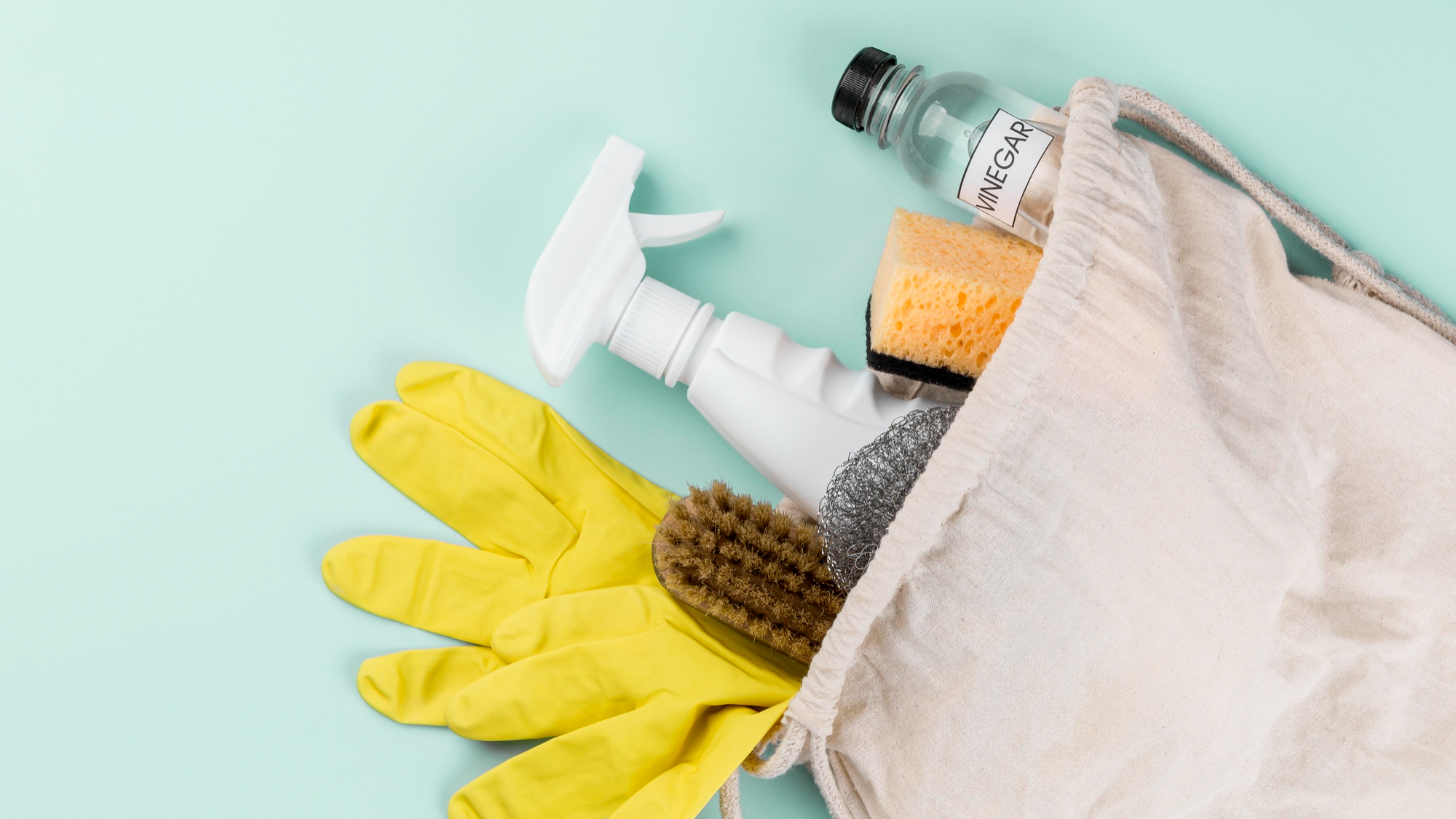
When it comes to maintaining a professional image and ensuring food safety, properly cleaning commercial food delivery bags is a daily necessity. If you run a busy restaurant or drive for a delivery network, spills are simply part of the job. A tipped container of curry or a leaking soup lid can instantly turn a premium delivery bag into a breeding ground for bacteria and foul odors.
If you run a busy restaurant or drive for a delivery network, spills are simply part of the job. A tipped container of curry or a leaking soup lid can instantly turn a premium delivery bag into a breeding ground for bacteria and foul odors.
When a customer accepts a delivery, the first thing they notice is the smell and appearance of the bag. If it looks dirty or smells sour, they immediately lose trust in the food inside.
Properly cleaning commercial food delivery bags is not just about aesthetics; it is about food safety and extending the lifespan of your equipment. Here is the definitive step-by-step guide to maintaining your gear.
You should never wait for a massive spill to clean your bag. Preventative maintenance takes less than two minutes at the end of a shift and stops condensation from turning into mold.
When oil or sauce leaks into the seams of the bag, a simple wipe down won't cut it. You need to break down the grease without destroying the thermal foam.
Even if the bag looks clean, trapped food odors can linger in the insulation.
To safely neutralize smells without using harsh chemicals, rely on baking soda. Lightly sprinkle baking soda across the interior base of the completely dry bag. Leave it overnight to absorb the trapped odors, then vacuum it out the next morning using a brush attachment.
Sometimes, a basic wipe down isn't enough. When dealing with heavily spiced foods or deep-fryer oil, cleaning commercial food delivery bags requires a bit more effort to prevent permanent discoloration.
Curry and Turmeric: These spices are notorious for staining the inner lining yellow. To fix this, create a thick paste using baking soda and a few drops of water. Apply it to the stain, let it sit for 20 minutes, and gently wipe it away with a damp cloth.
Deep-Fryer Grease: If a container of hot chips leaks, the oil can coat the bottom of the bag. Use a microfiber cloth dipped in equal parts warm water and white vinegar. The vinegar naturally cuts through the heavy grease without damaging the delicate thermal lining.
Sticky Beverages: Spilled soft drinks or coffees can attract pests if left untreated. Always prioritize cleaning commercial food delivery bags with warm, soapy water immediately after a sugary spill, taking care to scrub the corners and seams where syrup tends to pool.
High-quality cleaning commercial food delivery bags require specific care. Doing any of the following will instantly ruin the thermal retention and void your warranty:
Your delivery gear takes a beating every single day. By spending five minutes a week properly cleaning commercial food delivery bags, you prevent bacteria build-up, protect your restaurant's brand image, and ensure your equipment lasts for years, not months.
If your current bags are already permanently stained, waterlogged, or holding onto bad odors, it might be time for a fresh start. Explore our range of easy-to-clean, heavy-duty delivery bags designed with seamless interiors to make wiping down a breeze.
Following proper hygiene protocols for cleaning commercial food delivery bags not only protects your brand, but it also aligns with the strict Food Standards Australia New Zealand (FSANZ) guidelines for maintaining a safe transport environment.
